A roof rated for twenty-five years does not automatically last twenty-five years. In this climate it frequently does not. The gap between the rating and reality is almost entirely maintenance, ventilation and whether small failures got caught.
What Lasts How Long Here
- Asphalt shingle: 15 to 20 years in practice
- Metal: 30 to 50
- Clay tile: 40 and up, though the underlayment beneath needs attention long before that
- Composite: 25 to 40
Inspect Twice A Year
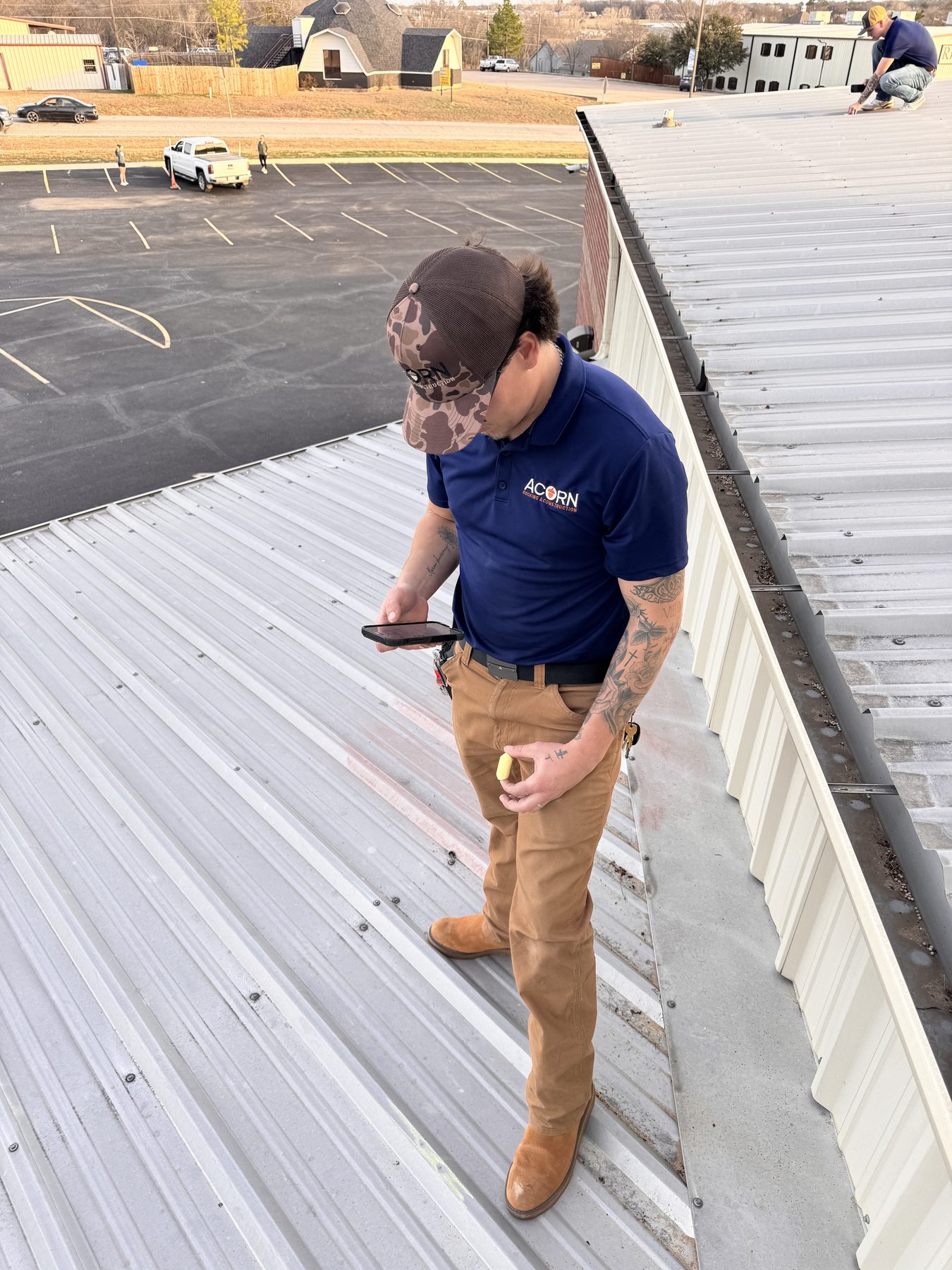
The NRCA's guidance is at least two inspections a year, and after any significant storm. In Dallas that means spring, before storm season, and autumn.
What gets checked: flashing at every penetration, valleys, plumbing boots, ridge caps, granule loss, and the attic side for damp decking or failed ventilation.
The Four Jobs That Actually Add Years
- Keep the gutters clear. Water backing up under the bottom shingle course is one of the most common ways an intact roof leaks.
- Fix flashing early. It is where roofs fail, it is cheap to repair, and it is expensive once water has been in the assembly for a year.
- Get the ventilation right. An attic that runs hot cooks the shingle from underneath. This is the single biggest cause of early failure we see.
- Trim overhanging branches. They scour granules off the surface as they move and drop debris that holds moisture.
Why Small Leaks Are Not Small
Water tracks. By the time a stain appears on a ceiling, the decking above it has usually been wet for a while, and wet decking is a structural repair rather than a roofing one. Catching it at the flashing is a few hundred dollars. Catching it at the ceiling is not.
Impact-Rated Material Is Maintenance Too
Class 4 shingle is tested under UL 2218 and holds up markedly better to hail than a standard product. Several Texas insurers discount the premium for it. Choosing it at replacement time is the cheapest life extension available, because it prevents the damage rather than repairing it.
The Honest Version
Maintenance does not make a roof immortal. It stops a roof failing early, which in this market is worth several years. When a roof does reach the end, we will tell you, because more repairs on a finished roof are money spent for nothing.
See roofing repair, storm damage repair, or what a repair actually involves.
A Simple Seasonal Routine
None of this requires getting on the roof, and it takes about an hour a year in total.
| When | What to do |
|---|---|
| Late winter | Professional inspection before storm season. Clear gutters. Cut back limbs. |
| After any hail or high wind | Photograph from the ground. Check the attic with a torch. Call if anything is wet. |
| Midsummer | Check the attic on a hot afternoon. If it is stifling, the ventilation needs looking at. |
| Autumn | Clear gutters again. Check downspouts still discharge away from the foundation. |
What Shortens A Dallas Roof Fastest
In the order we actually find them when we tear roofs off:
- Unbalanced attic ventilation. Heat and moisture held against the underside of the deck.
- A second layer of shingles installed over the first, trapping heat and hiding rot.
- Reused flashing from a previous roof, saving a little and leaking for years.
- Deferred small repairs, where a failed boot wets the deck for a season.
- Penetrations cut by other trades and sealed by whoever happened to be there.
Keep The Records
Inspection reports, dated photographs, repair invoices and both warranties. It costs nothing and it decides two arguments later: whether a manufacturer honours a claim on the material, and whether an adjuster accepts that damage came from a storm rather than from neglect. On a roof you intend to keep for twenty years, that folder is worth real money.
Not Sure What Your Roof Needs?
We will come out, photograph the whole roof and tell you plainly what it needs, whether that is a repair, a replacement or nothing at all. Free, and with nothing riding on it.
Call (214) 437-7353