Texas leads the country in billion-dollar weather events by a wide margin, and Dallas sits inside the part of the state where hail is a near-annual event rather than an unusual one. Most roofs here will take a storm at some point. What decides the cost is how quickly the damage is found.
Seven Things To Look For
All of these are visible from the ground or from inside. None of them require getting on the roof, which you should not do after a storm anyway.
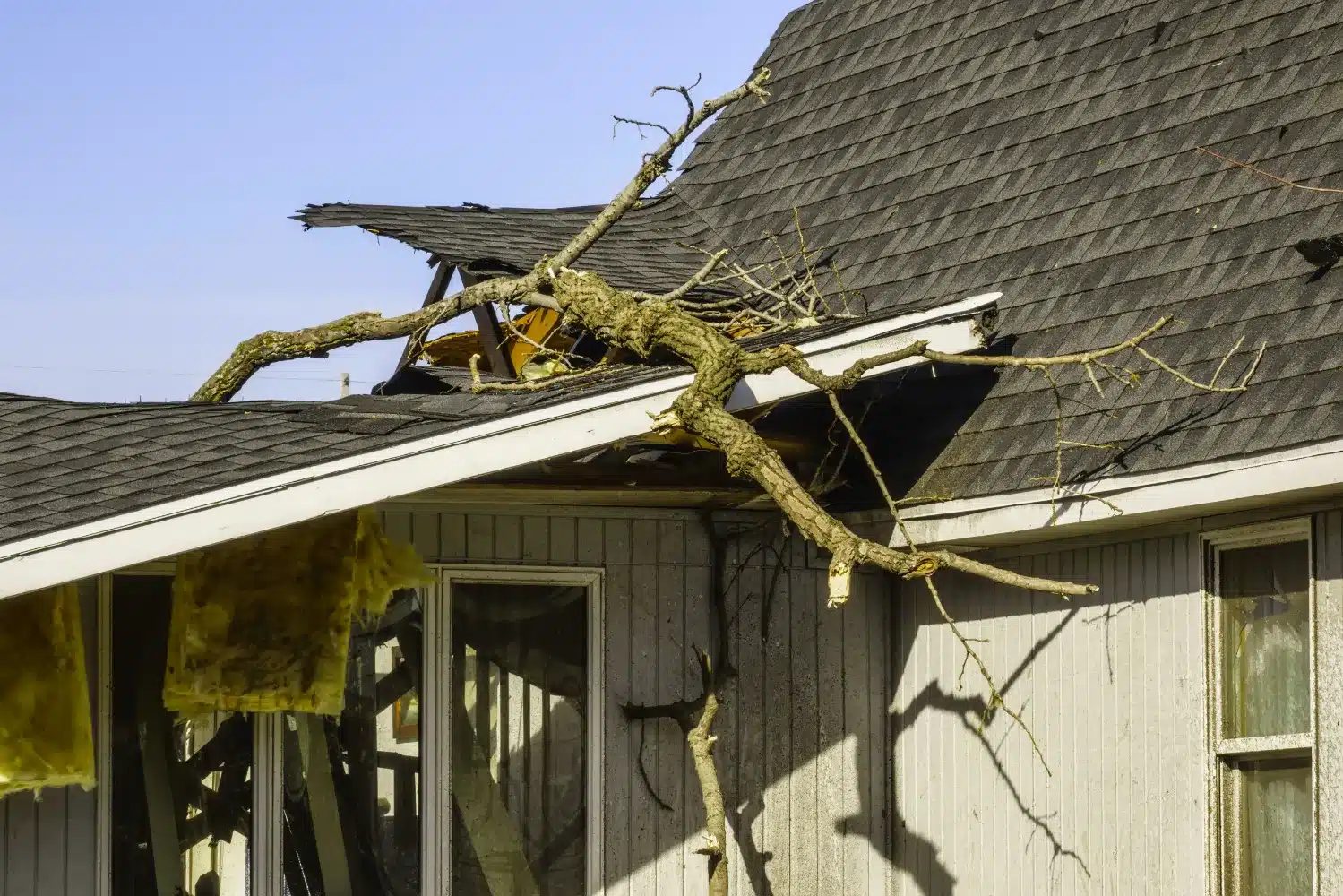
- Missing or lifted shingles, particularly along ridges and edges where wind gets under them
- Granules in the gutters or at the downspout outlet, which means the shingle surface is shedding
- Water stains on ceilings or upper walls, which may appear well away from the entry point
- Dents in flashing, vents or gutters, the easiest hail evidence to see from the ground
- A sagging roofline, which suggests the decking has been wet long enough to soften
- Debris on the roof and blocked gutters after high wind
- Damp or musty smell in the attic, frequently the first sign of a slow leak
Why Hail Damage Hides
A hailstone can bruise the mat under a shingle without cracking the surface. The shingle looks intact, but the granules start shedding and the mat degrades from that point on. Six months later it fails, and by then the connection to the storm is harder to argue.
This is the single reason we recommend an inspection after a significant storm even when nothing looks wrong. It costs nothing and it either finds something or rules it out.
What A Proper Inspection Involves
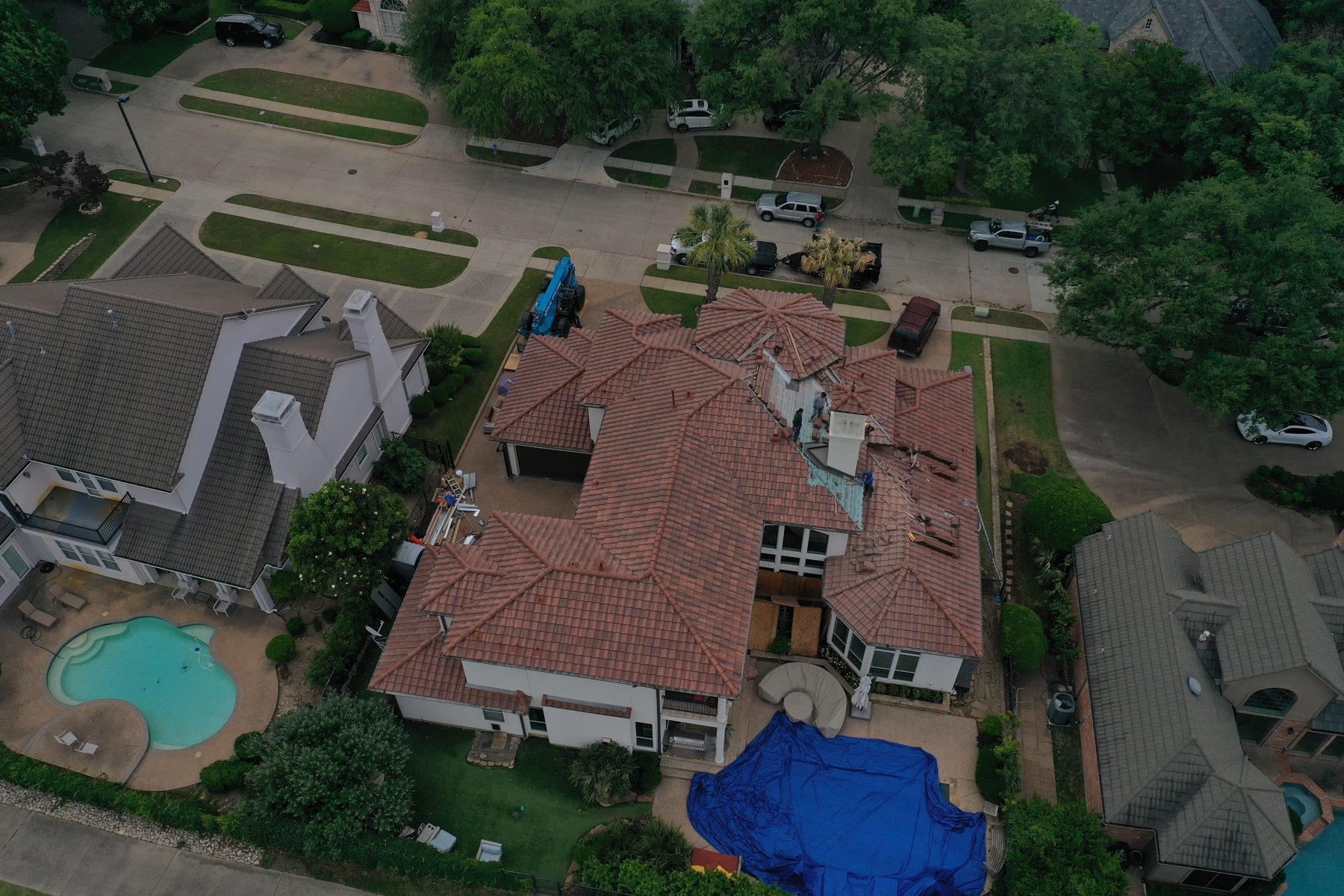
We fly the roof, walk every slope where it is safe, and photograph the damage per slope so the pattern is visible rather than described. Thermal imaging and moisture readings find water in the assembly that is not yet showing inside. All of it goes into a report an adjuster can work from.
Do Not Repair It Yourself First
Two reasons. Sealing over damage makes it much harder to establish what the storm actually did, and DIY work on a roof under warranty will usually void it. Tarping to stop water coming in is fine and is documented as emergency mitigation. Anything beyond that should wait.
The Claim Timeline Matters
Most policies set a deadline measured from the date of the storm, not the date you noticed damage. Because hail damage often does not leak straight away, the practical effect is that people discover the problem after the window has closed. An inspection soon after the event protects the option.
More on how we handle this: storm damage repair, or roof replacement when the damage has gone too far for a repair.
Check Inside As Well As Out
Some of the clearest evidence is in the attic, and it is safe to look at. Take a torch up during daylight and check for:
- Daylight through the decking, which is a hole
- Damp or compressed insulation, particularly near the eaves
- Dark staining down the rafters, which shows where water has been running
- A musty smell, which means moisture has been present long enough to matter
Photograph anything you find and note which room you are standing above, because that is what lets a roofer work back to the entry point.
Confirm The Storm, Not Just The Damage
A claim turns on tying damage to a dated event. NOAA's Storm Events Database is public and searchable by county, so you can confirm what Dallas County recorded on the day and what hail size was reported. That single detail changes the conversation with an adjuster from an opinion about a roof into a fact about a storm.
What Happens If You Wait
Three things, and they compound.
The damage grows, because water that is already inside the assembly keeps working through decking and insulation whether or not it has reached a ceiling yet. The claim gets harder, because policies require prompt notice and a carrier can reasonably argue that a later storm, or the delay itself, caused what you are now reporting. And the repair changes category, because a flashing detail fixed this month becomes decking replacement next season.
None of that requires the damage to be dramatic. Most of the expensive storm claims we work on started as something the homeowner decided to look at later.
Not Sure What Your Roof Needs?
We will come out, photograph the whole roof and tell you plainly what it needs, whether that is a repair, a replacement or nothing at all. Free, and with nothing riding on it.
Call (214) 437-7353