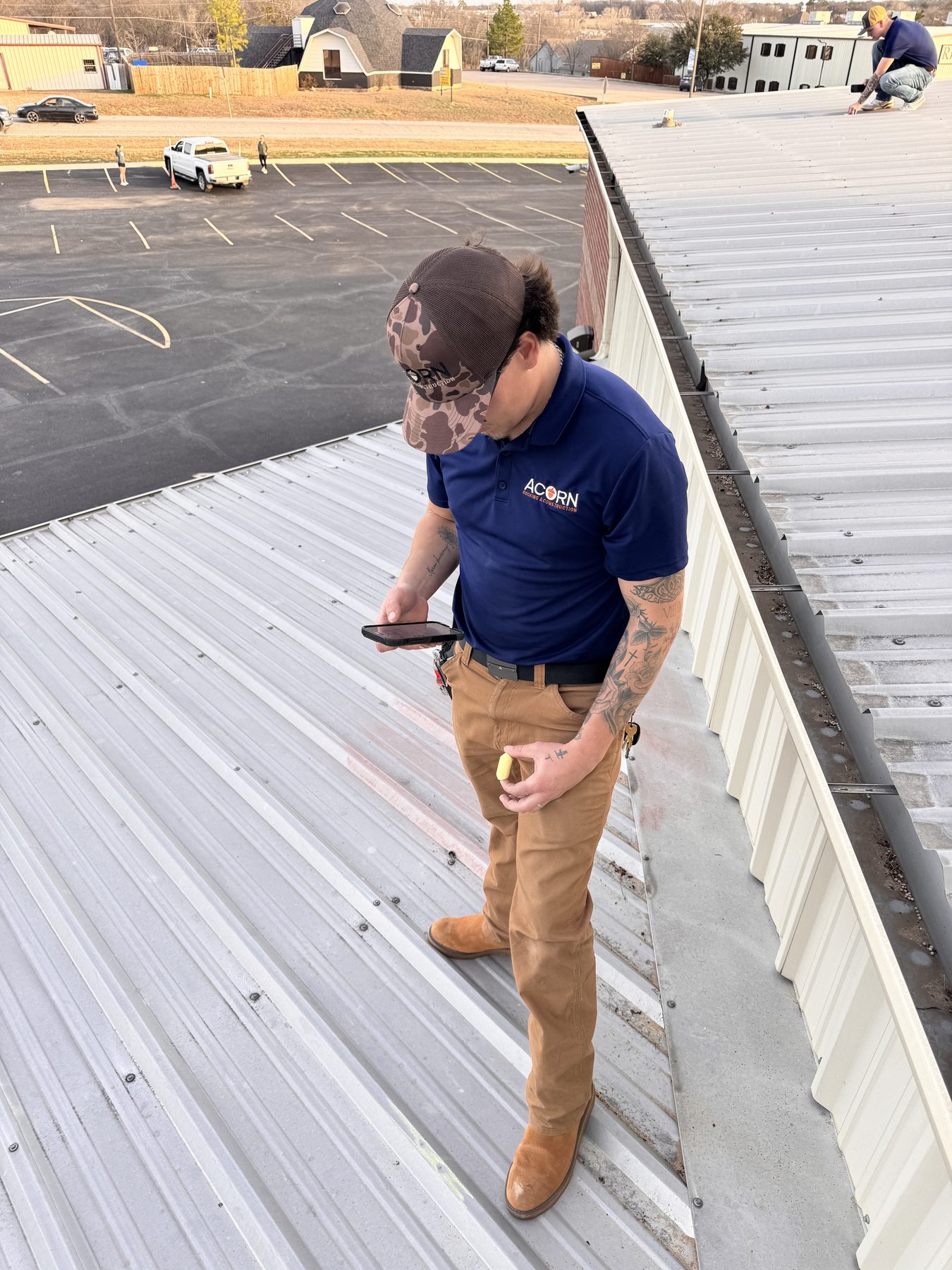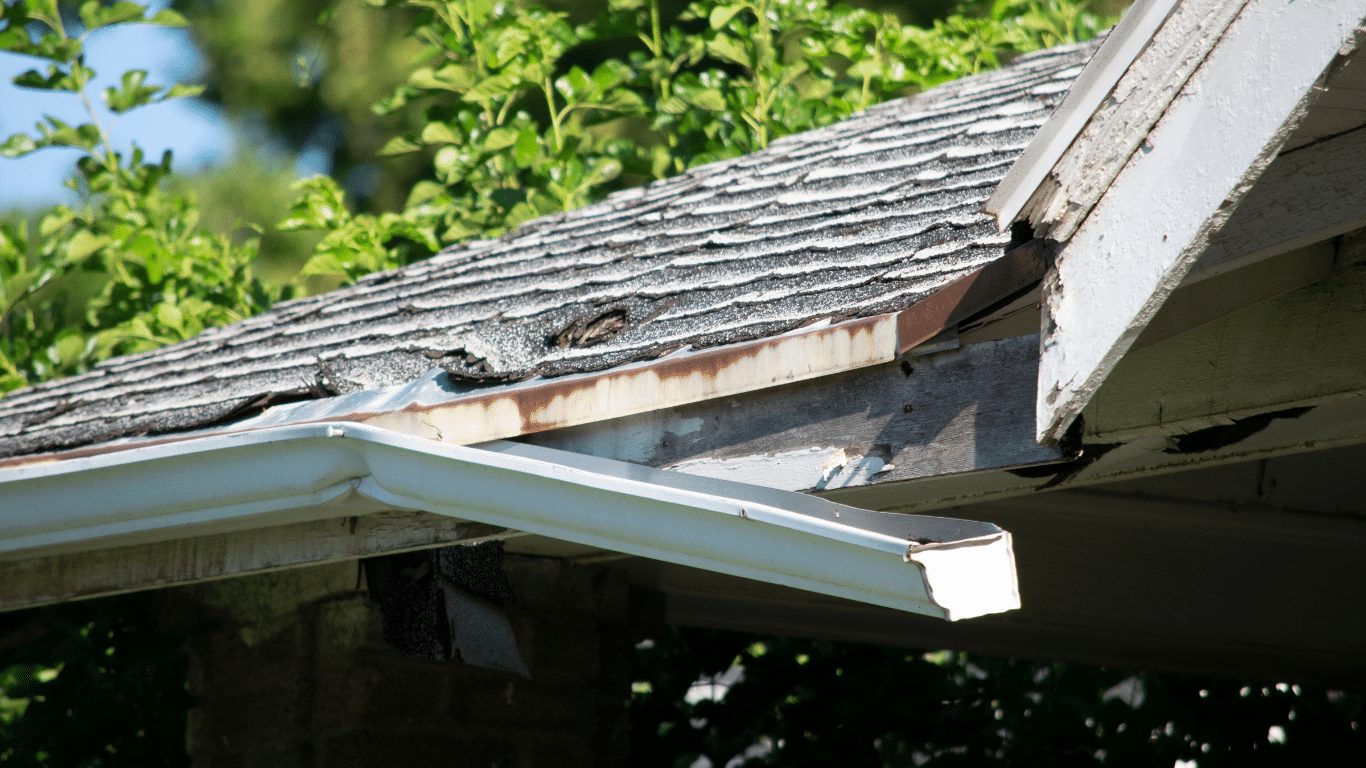
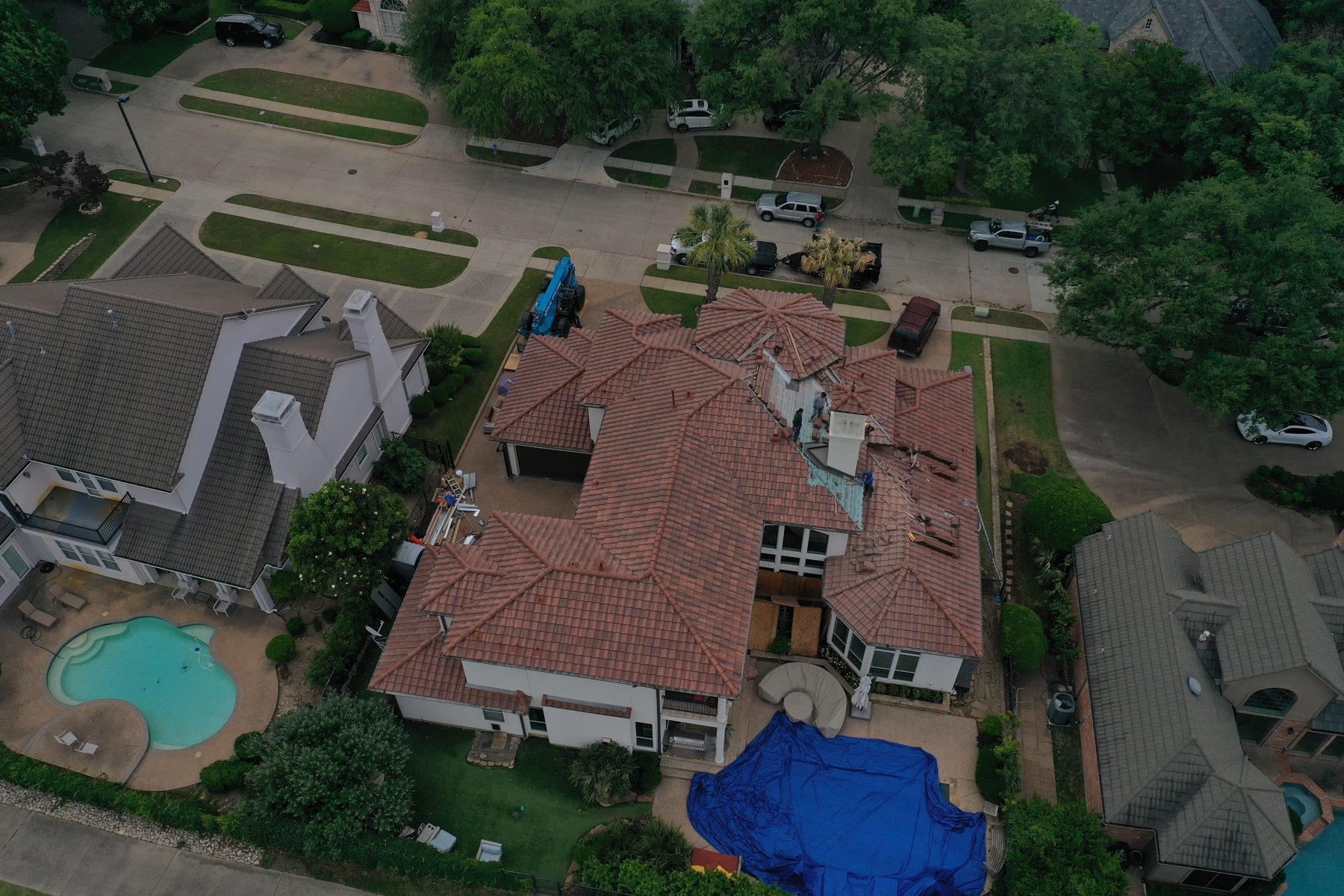
Every roofer in Frisco can show you a finished roof that looks fine from the street. The difference between a good job and a bad one is almost entirely in things you cannot see: what happened at the penetrations, whether the deck was repaired or covered, and whether the ventilation was calculated or copied.
Here is what actually goes wrong, and what it costs later.
1. Poor Installation Undoes Your Energy Efficiency
Ventilation and insulation work as a pair. Get the balance wrong and the attic runs hot, which loads the air conditioning and cooks the shingle from underneath. The Department of Energy's insulation guidance puts the achievable saving from getting this right in the region of ten to twenty-five per cent of cooling cost. A roof installed without that calculation gives it away.
2. Code Non-Compliance Can Void Your Warranty
Frisco works to the International Residential Code and the energy code alongside it. Those set requirements for ventilation, slope, underlayment and fastening. A roof that does not meet them is not just a compliance problem at resale, it is grounds for a manufacturer to decline a warranty claim.
3. Workmanship Failures Hide Structural Damage
The NRCA's position is blunt and matches what we find: most early roof failures are installation errors, not material failures. The common version is a roof laid over decking nobody inspected, because inspecting it means removing the old roof, and removing the old roof costs money.
4. The Wrong Material For This Climate
North Texas hail is the deciding factor, and a shingle without a Class 3 or Class 4 impact rating is being specified for somewhere else. It will survive, right up until the first serious storm.
5. Emergency "Repairs" That Are Just Delay
A tarp is a legitimate emergency measure. A bead of sealant over a flashing failure is not a repair, it is a way of getting paid today and being gone before it fails again.
6. Higher Bills You Never Connect To The Roof
Reflective and correctly ventilated roof systems meaningfully reduce cooling load in a Texas summer. If your bills went up after a re-roof, the roof is a reasonable place to look.
7. Insurance And Resale Complications
Undocumented work is difficult to claim on and awkward at sale. If there is no paperwork showing what was installed, when, and to what specification, you are relying on an inspector taking your word for it.
8. The Waste Question
Asphalt roofing is one of the larger construction waste streams in the country, and most of it is landfilled rather than recycled. A contractor who tears off and dumps without a thought is telling you something about how they work generally.
9. Safety And Liability Exposure
Roofing is among the more dangerous trades, and the fatality figures in the BLS census reflect that. An uninsured crew on your roof is your problem, not theirs. Ask for the certificate rather than the assurance.
Questions Worth Asking Before You Sign
- Are you licensed and insured, and can I see the certificate rather than be told about it?
- Will you tear off, or cover over? If covering, what happens to the decking?
- How are you calculating ventilation for my attic?
- What is the impact rating of the shingle you are quoting?
- Who is on the roof, your crew or a subcontractor?
- What is in writing: workmanship warranty, manufacturer warranty, and for how long?
Any roofer worth hiring will answer all six without hesitating. If the answers are vague, that is the information you needed.
More on how we work in this market: roofing in Frisco.
Not Sure What Your Roof Needs?
We will come out, photograph the whole roof and tell you plainly what it needs, whether that is a repair, a replacement or nothing at all. Free, and with nothing riding on it.
Call (214) 437-7353Sources: U.S. Department of Energy, Insulation Guide · NRCA Roofing Guidelines · International Residential Code 2018 · Bureau of Labor Statistics, Census of Fatal Occupational Injuries