Richardson's housing stock is mixed in a way that matters here. Post-war ranch houses with simple gable roofs sit a few streets from 1990s two-storeys with complicated rooflines and from newer builds with steeper pitches. What suits one does not automatically suit the next, and the decision usually comes down to three local pressures: hail, heat, and how long you plan to stay.
Asphalt Shingle
Still the default, and for good reason. Architectural shingle costs the least to install, every crew in the metro can work with it, and repairs are simple because the material is always in stock.
Expect 20 to 25 years in North Texas, less on a roof that takes repeated hail. The upgrade worth pricing is a Class 4 impact-rated shingle. It is tested against a steel ball dropped from a set height, it holds up better against the stones that actually fall here, and many Texas insurers discount the wind and hail portion of the premium for one. Ask your carrier what the discount is before you decide, because on a long enough horizon it can close most of the price gap.
Metal
Standing seam metal runs 40 to 70 years and sheds hail rather than absorbing it. The concealed fastener detail is the important part: exposed-fastener panels are cheaper but every screw is a gasket that ages, and gaskets are what leak.
Metal also reflects a large share of solar radiation instead of holding it, which the Department of Energy notes can cut what a roof passes into the space below. In a Richardson summer that shows up on the cooling bill rather than in comfort alone.
The honest downsides: two to three times the upfront cost of shingle, cosmetic denting from large hail even where the panel is fully functional, and fewer crews who install it properly.
Tile
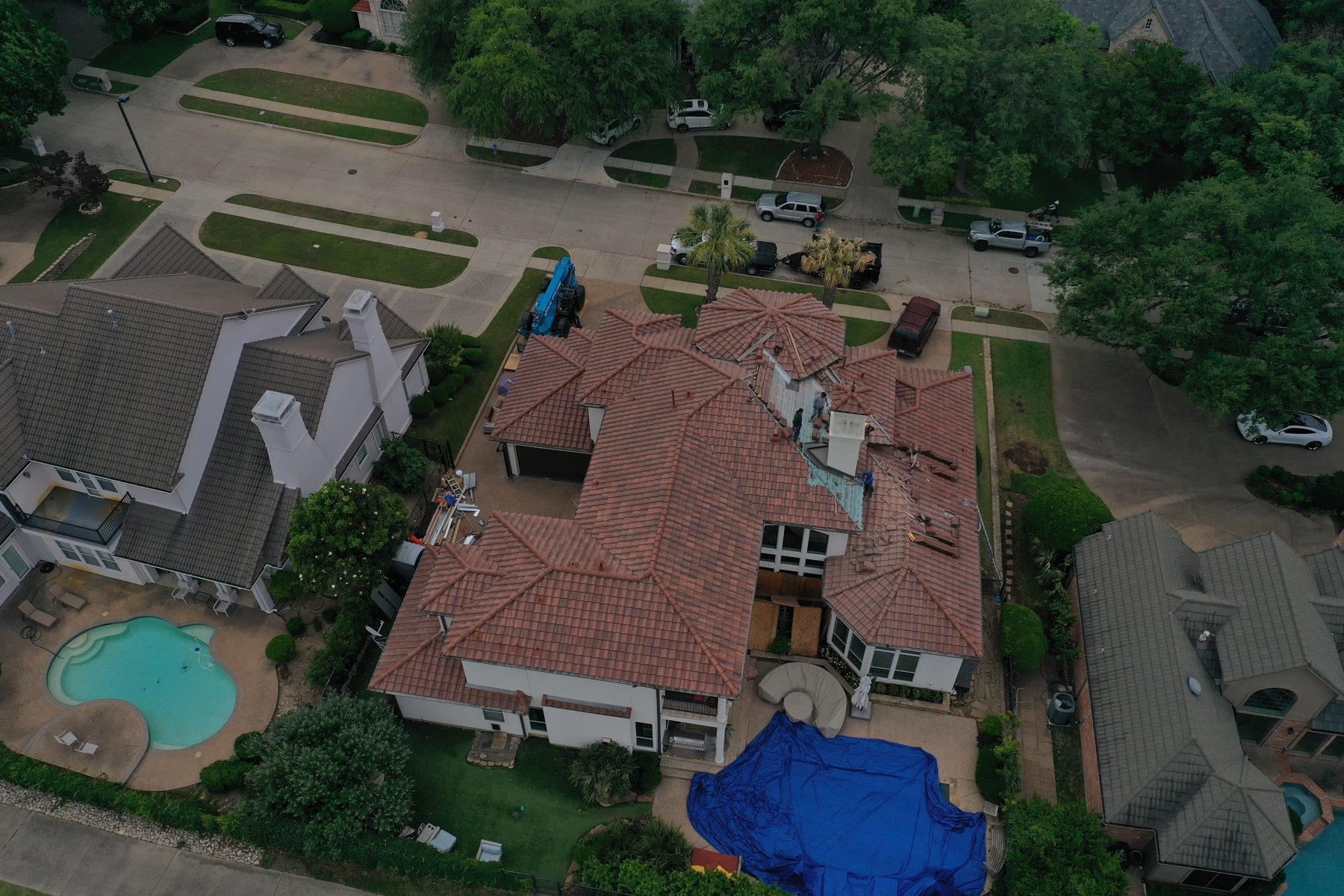
Concrete and clay tile last 50 years and more, handle heat extremely well, and suit the Mediterranean and Spanish elevations you see on some Richardson streets.
Two constraints decide it. Weight, because tile is several times heavier than shingle and not every frame built for shingle will take it without engineering. And brittleness, because a large stone can crack individual tiles. Cracked tile is a simple replacement, but it is a maintenance item you will meet more than once.
Rubber And Composite
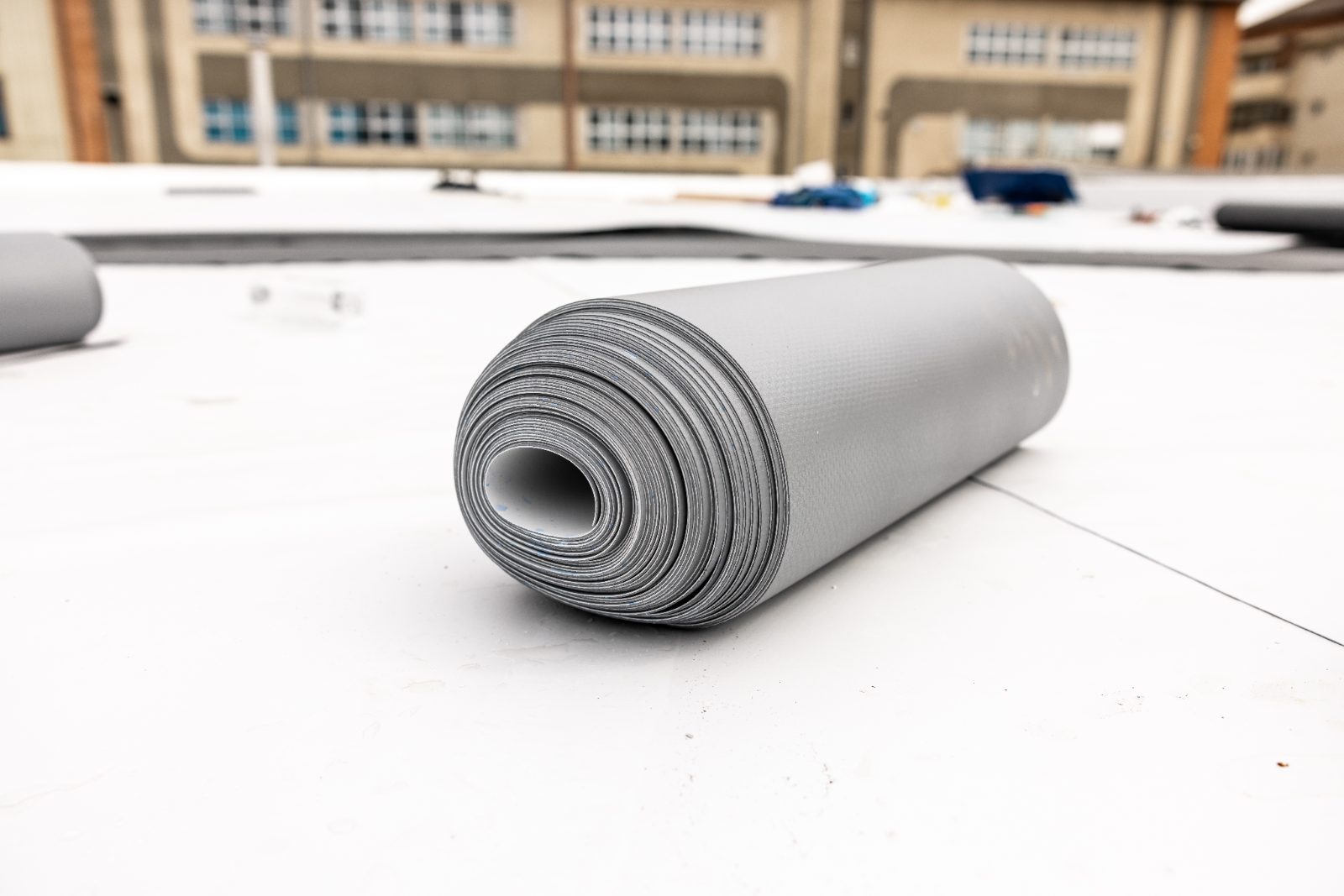
Recycled rubber systems such as Euroshield sit in an interesting place for a hail market: they are made to absorb impact rather than resist it, so the stone that would crack tile or bruise a shingle mat deforms and the surface recovers. They carry long warranties and they are made from material that would otherwise be waste.
They cost more than shingle and fewer contractors are trained to install them, so the installer list is short. On a house that has already been re-roofed twice for hail, that maths often works.
Heat, And What Actually Helps
Colour and surface matter, but not as much as people expect once you get above the ceiling. A reflective or ENERGY STAR rated product lowers the surface temperature of the roof. What decides whether that reaches the rooms below is the attic: intake at the eaves, exhaust at the ridge, and insulation at the right depth.
Most early roof failures we open up in this area were driven from underneath by a hot, poorly ventilated attic cooking the underside of the deck. Spending on the material and ignoring the ventilation is the common and expensive mistake.
Putting It Together
| If your priority is | The usual answer |
|---|---|
| Lowest upfront cost | Architectural asphalt shingle |
| Surviving repeated hail | Class 4 shingle, or a rubber composite |
| Longest service life | Standing seam metal or tile |
| Cutting summer cooling load | Reflective metal, plus attic ventilation work |
| Selling within five years | Quality shingle, correctly installed and documented |
Two Questions Before You Commit
First, how long are you staying? A 50-year roof on a house you will leave in six is money you will not get back at resale. Second, what does your insurer do with the choice? The impact rating discount is real, it recurs every year, and almost nobody asks about it before signing.
Not Sure Which Material Fits Your Roof?
We will inspect what is up there, photograph it, and price the options side by side so you can compare them properly rather than on a brochure.
Call (214) 437-7353 Richardson roofing servicesSources: U.S. Department of Energy, Cool Roofs · ENERGY STAR Roof Products