Siding takes the same beating as the roof and gets a fraction of the attention. In Dallas that means UV on the south and west elevations for most of the year, hail that cracks and punches, and wind-driven rain that finds every gap around a window. The repair or replace question comes up sooner here than it does in most of the country.
The Test That Decides It
Siding is a rain screen. Its job is to keep bulk water off the sheathing and the framing behind it. So the question is not how the panel looks. It is whether water has already got past it.
If the damage is confined to a few panels and the wall behind is dry and sound, repair. If moisture has reached the sheathing, or the same wall has been patched repeatedly, replace that elevation.
Signs It Is Still A Repair
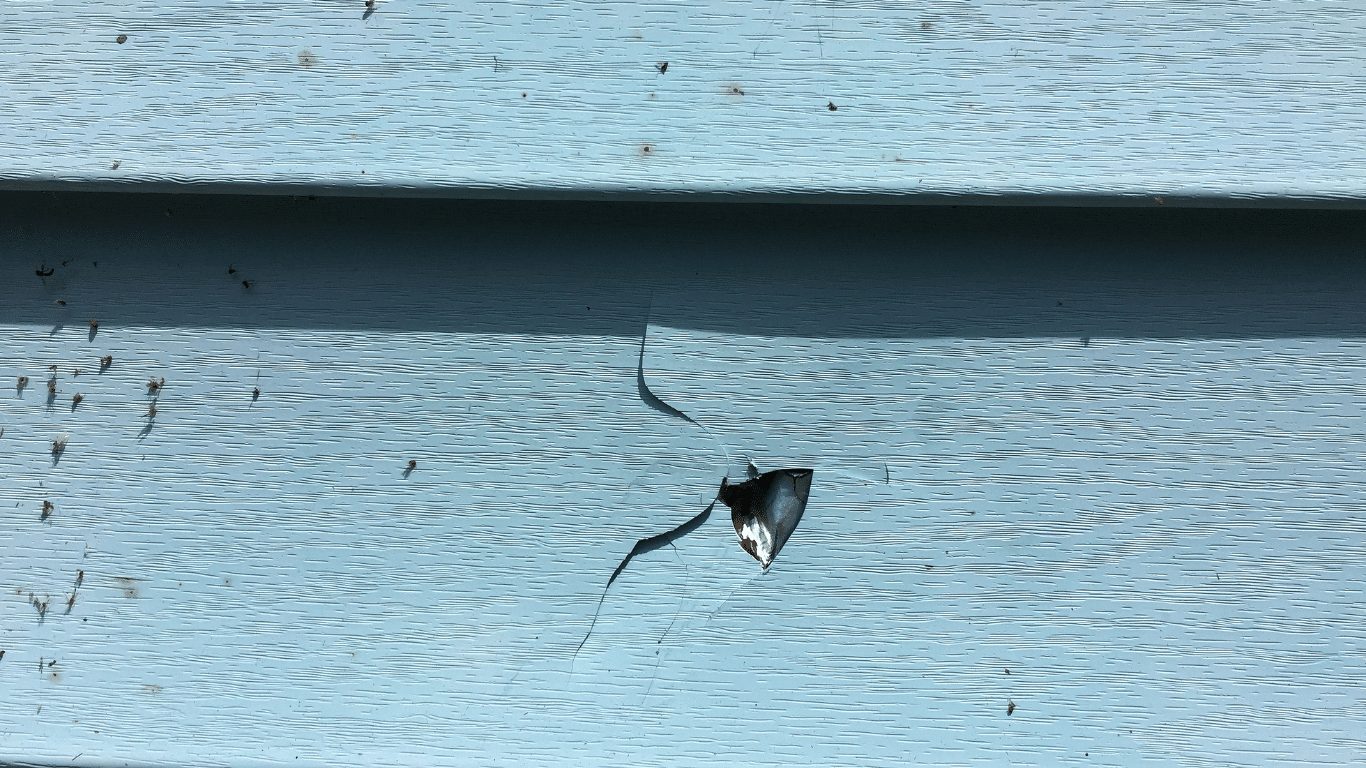
- A handful of cracked, punctured or hail-dented boards in one area
- Storm damage on a single elevation with the rest intact
- Caulk failure at trim and window surrounds
- Fading or chalking on the sun side with the substrate still solid
- A few loose or slipped boards after high wind
Two things make repairs go well. Match the profile and colour before you start, because discontinued profiles are common on Dallas houses from the 1980s and 1990s and a near-match reads as a patch forever. And check the wall behind every panel you pull, not just the ones that looked bad, because water travels sideways behind siding and the wet spot is rarely under the visible damage.
Signs It Is A Replacement
- Soft or spongy areas when you press. That is sheathing, not siding, and it means water has been in there a while.
- Rot, or fungal growth at the seams. Hardboard and older composite products absorb and swell before they fail.
- Damage across multiple elevations after a storm, which is usually a claim rather than a patch.
- Cost approaching half of replacement. At that point you are paying most of the price for none of the warranty.
- Interior signs. Peeling paint inside on an exterior wall, or a musty smell, means the wall assembly is holding moisture.
- Rising energy bills with no other explanation. Failed siding often means the housewrap behind it has failed too.
What Goes On Behind The Siding
The part nobody sees is the part that matters. A replacement is the only chance you get to correct the water-resistive barrier, the flashing at windows and doors, and the drainage plane. The EPA's guidance on moisture control makes the same point about wall assemblies that it makes about roofs: the aim is to give water a path back out, not to seal it in.
If someone quotes you a siding replacement that does not mention housewrap or window flashing, they are quoting you new panels over old problems.
Materials That Suit Dallas
| Material | How it behaves here |
|---|---|
| Fibre cement | Holds up to heat and hail, resists rot and insects, needs repainting eventually. The common choice on replacements in this market. |
| Vinyl | Cheapest and lowest maintenance, but it becomes brittle with age and large hail cracks it. Colour can fade on the west elevation. |
| Engineered wood | Wood appearance with better moisture behaviour than the hardboard it replaced. Depends heavily on correct installation and sealed cut edges. |
| Brick or stone veneer | Essentially permanent, but the mortar joints and weep holes still need looking at, and it is the most expensive route. |
If It Was A Storm
Siding damage belongs in the same claim as the roof, and it is regularly left out because nobody photographed it. Document both at the same time: dented or cracked panels, damaged trim, torn screens, and the roof. One dated event, one claim, one adjuster visit.
Not Sure Which One You Are Looking At?
We will inspect the siding and the wall behind it, photograph what we find, and tell you whether it is a repair or a replacement before you spend anything.
Call (214) 437-7353 Siding repair and installationSources: EPA, Moisture Control Guidance