A 25-year shingle in Frisco often comes off at 16 or 17. The material did not lie. It was rated in a laboratory, not on a south-facing slope over an attic running at 140 degrees with a blocked soffit. Here is where the missing years usually go, and what recovers them.
1. Get It Inspected Twice A Year
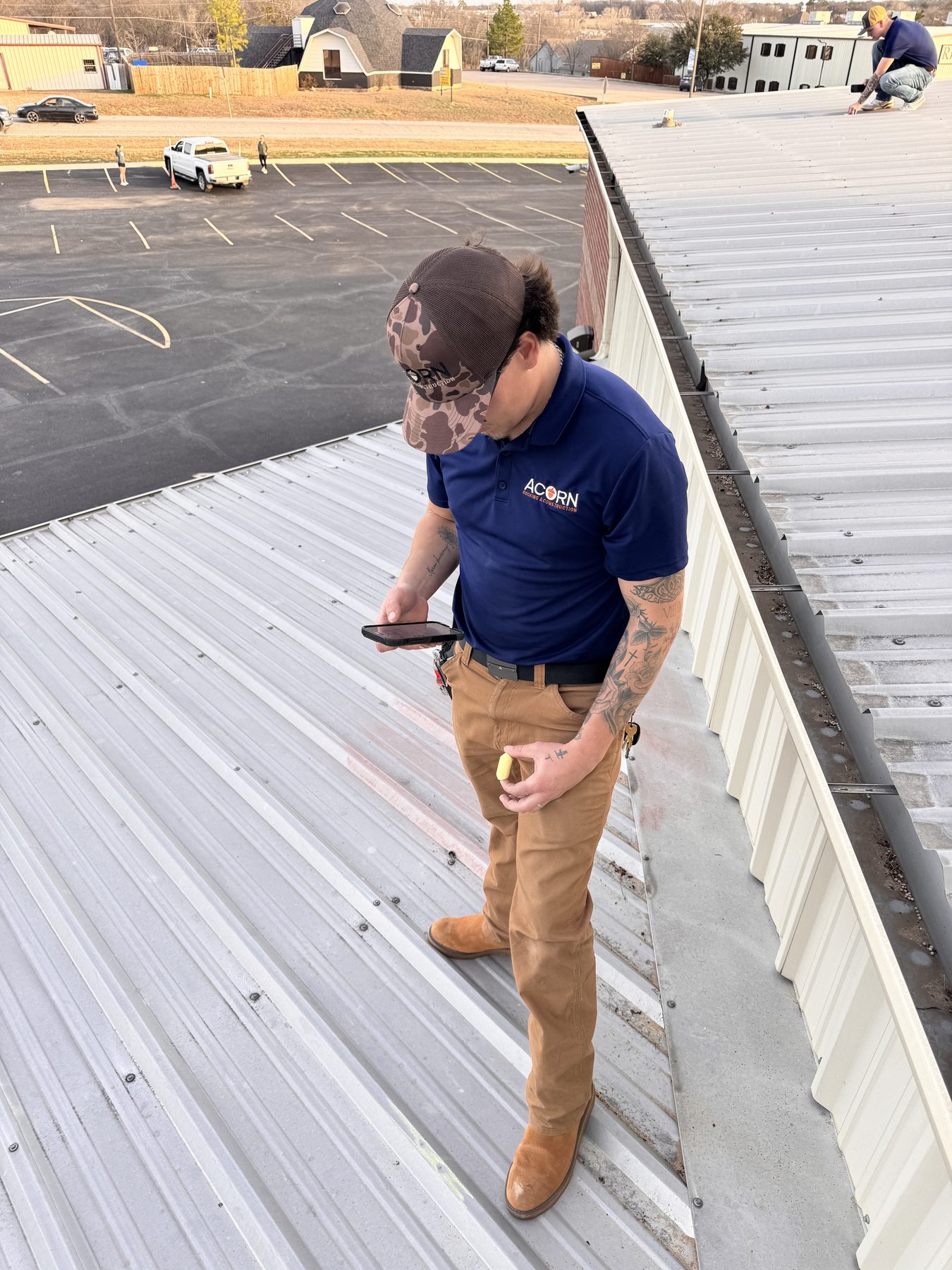
Once before storm season and once after. An inspection catches lifted flashing, a failed pipe boot, a loose ridge cap, a nail backing out: all of them ten-minute fixes now and four-figure repairs once water has been through them for a season.
Ask for photographs rather than a verbal all-clear. Photographs give you a record of the roof's condition over time, which also matters when you file a claim and the adjuster wants to know what is storm damage and what is age.
2. Fix Small Things Immediately
Water does not stay where it enters. A single failed pipe boot leaks onto the deck, the deck delaminates, the insulation below it packs down and stops working, and eventually it shows on a ceiling three feet from where it started. The boot is inexpensive. Everything after it is not.
3. Sort The Ventilation Out
This is the biggest one and the least visible. An attic without balanced intake and exhaust holds heat and moisture against the underside of the deck, which cooks the shingle from behind and shortens its life regardless of what you paid for it.
Balance means intake at the eaves and exhaust at the ridge, sized to the attic rather than inherited from whatever was there before. Most of the prematurely failed roofs we tear off in Frisco had blocked soffit vents, insulation pushed into them, or exhaust with no intake to feed it.
4. Keep The Gutters Moving
Blocked gutters back water up under the first course of shingles and rot the fascia behind them. Twice a year is usually enough here, more if the house sits under mature trees. While up there, check that downspouts discharge five to ten feet from the house, because Dallas-area clay swells and shrinks with moisture and the foundation is the expensive thing to get wrong.
5. Cut Back The Trees
Overhanging limbs scrape granules off shingles in wind, drop debris that holds moisture against the surface, and give squirrels a route onto the roof. Keep branches back several feet from the roof plane. After a storm, limbs are also the most common cause of impact damage that has nothing to do with hail.
6. Choose Impact-Rated Material Next Time
When the roof does come off, this is the decision that changes the next twenty years. A Class 4 impact-rated shingle is tested against a steel ball dropped from a set height and holds up better against the stones that actually fall in Collin and Denton counties. Many Texas insurers discount the wind and hail portion of the premium for one, so ask your carrier for the figure before you choose.
7. Keep The Paperwork
Inspection reports, dated photographs, repair invoices, the material warranty, the workmanship warranty. This costs nothing and it decides two things later: whether a manufacturer honours a claim on the material, and whether an adjuster accepts that damage came from a storm rather than from neglect.
What This Is Worth
None of the seven is dramatic. Together they are routinely the difference between replacing a roof at seventeen years and replacing it at twenty-five, on a house where a replacement is one of the larger bills you will ever pay for.
When Was Your Roof Last Looked At?
Free inspection, photographs of everything we find, and a written report. If it has years left in it, we will tell you that.
Call (214) 437-7353 Frisco roofing servicesSources: U.S. Department of Energy, Insulation And Attic Ventilation · NRCA Roofing Guidelines