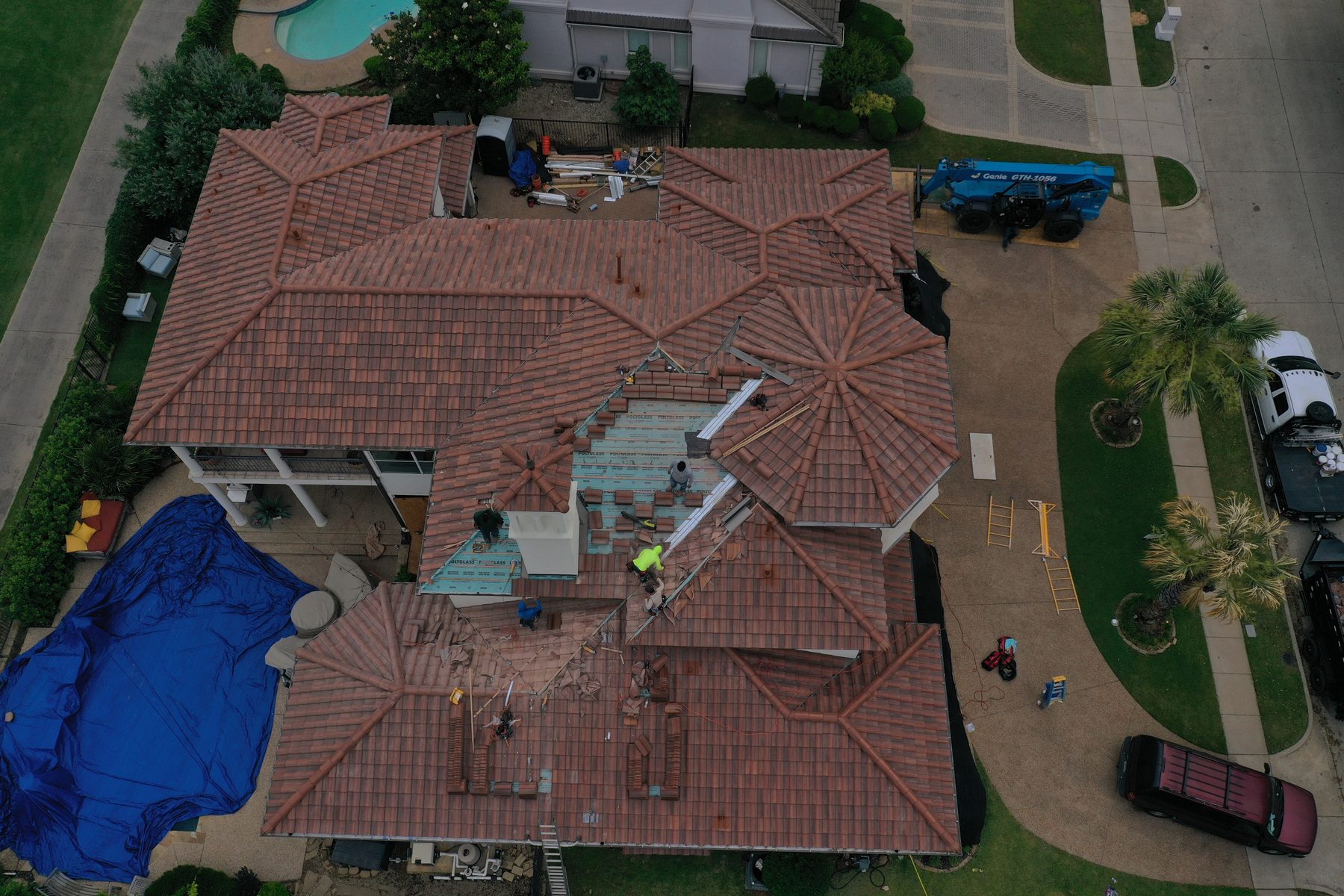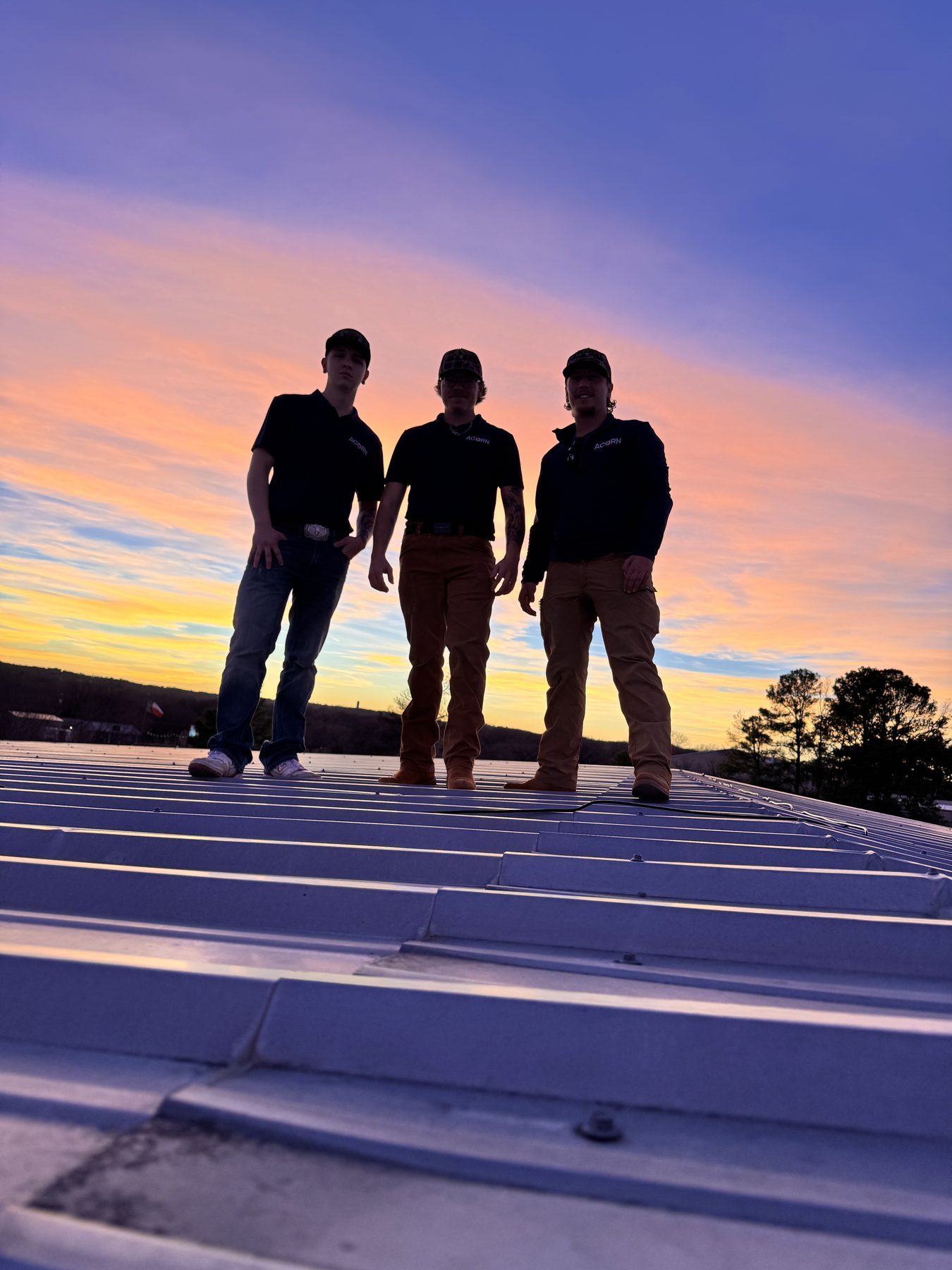
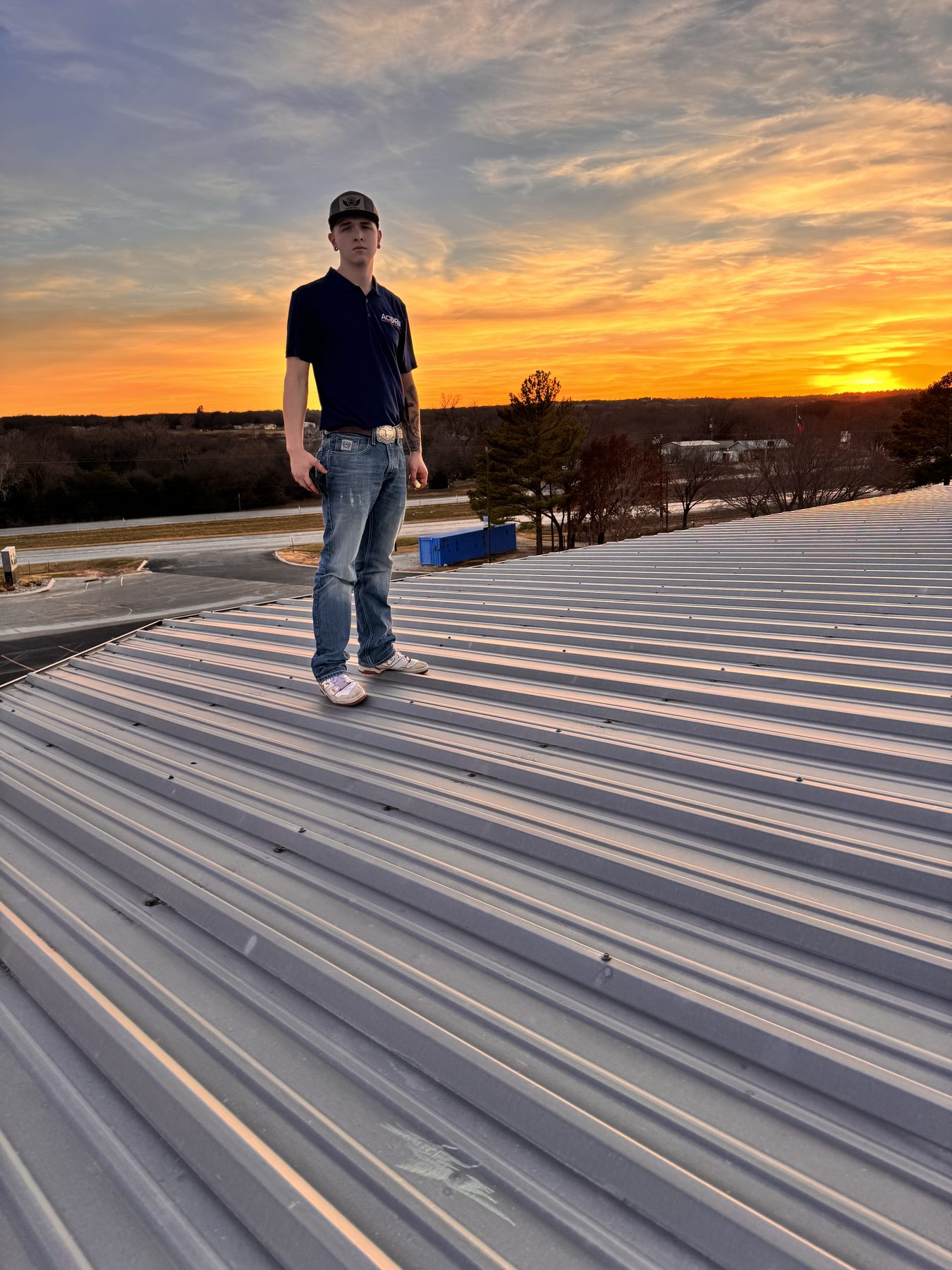
Metal performs well on Richardson's lower pitches, where standing seam handles shallow slopes that asphalt struggles with. It also solves the heat problem on mid-century houses whose attics were never designed to shed the load a modern one would.
Metal Roofing Across Richardson
The residential side of Richardson is largely mature housing, which means original decking, older flashing details and roofs that have already been through at least one replacement. The commercial side along the corridor is flat and low-slope roofing, which is an entirely different discipline: TPO, PVC and modified systems where the failure points are seams and penetrations rather than shingles.
The Three Types We Fit
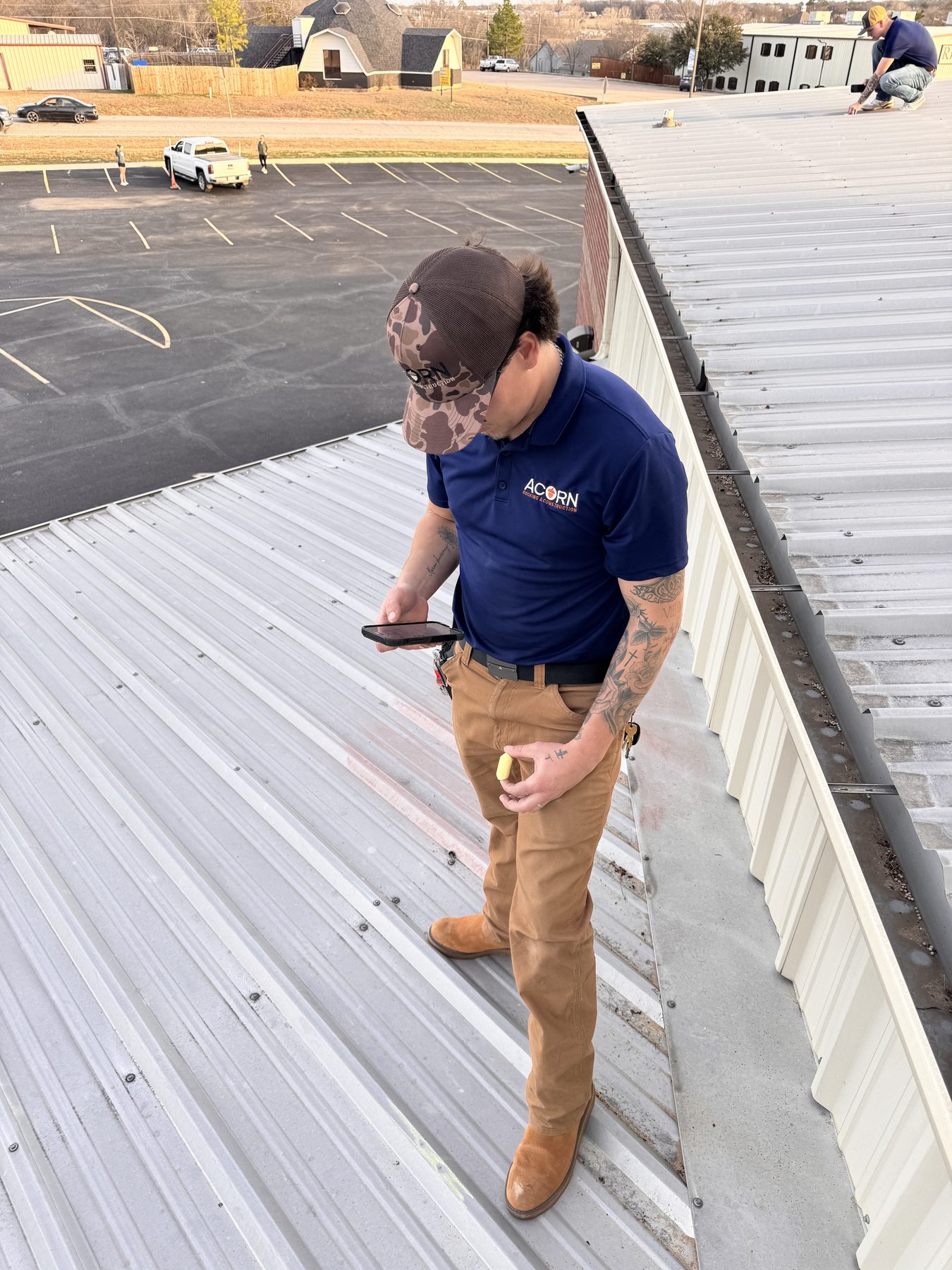
Standing seam hides its fasteners under the seam, so there are no exposed rubber washers to perish. Corrugated uses exposed fasteners, costs considerably less, and makes those washers the maintenance item. Metal shingle gives metal performance in a profile that reads as shingle or tile from the street.
Why Fastener Type Decides The Roof's Life
This is the detail that matters and rarely gets explained. Exposed-fastener panels rely on a washer under every screw head, and those washers are the shortest-lived part of the assembly. Standing seam has nothing exposed to degrade. If you intend to stay in the house, that difference is worth the cost gap.
Heat, Noise And Hail
A solar-reflective finish cuts cooling load meaningfully through a Texas summer. Rain noise is a function of what sits under the panel, and over solid decking with underlayment and attic insulation a metal roof is not appreciably louder. Hail can dent a panel cosmetically without compromising it, which is a genuine trade-off worth naming.
Lifespan
Forty to seventy years against twenty to twenty-five for asphalt. Non-combustible, usually made partly from recycled material, and recyclable at end of life rather than landfilled.