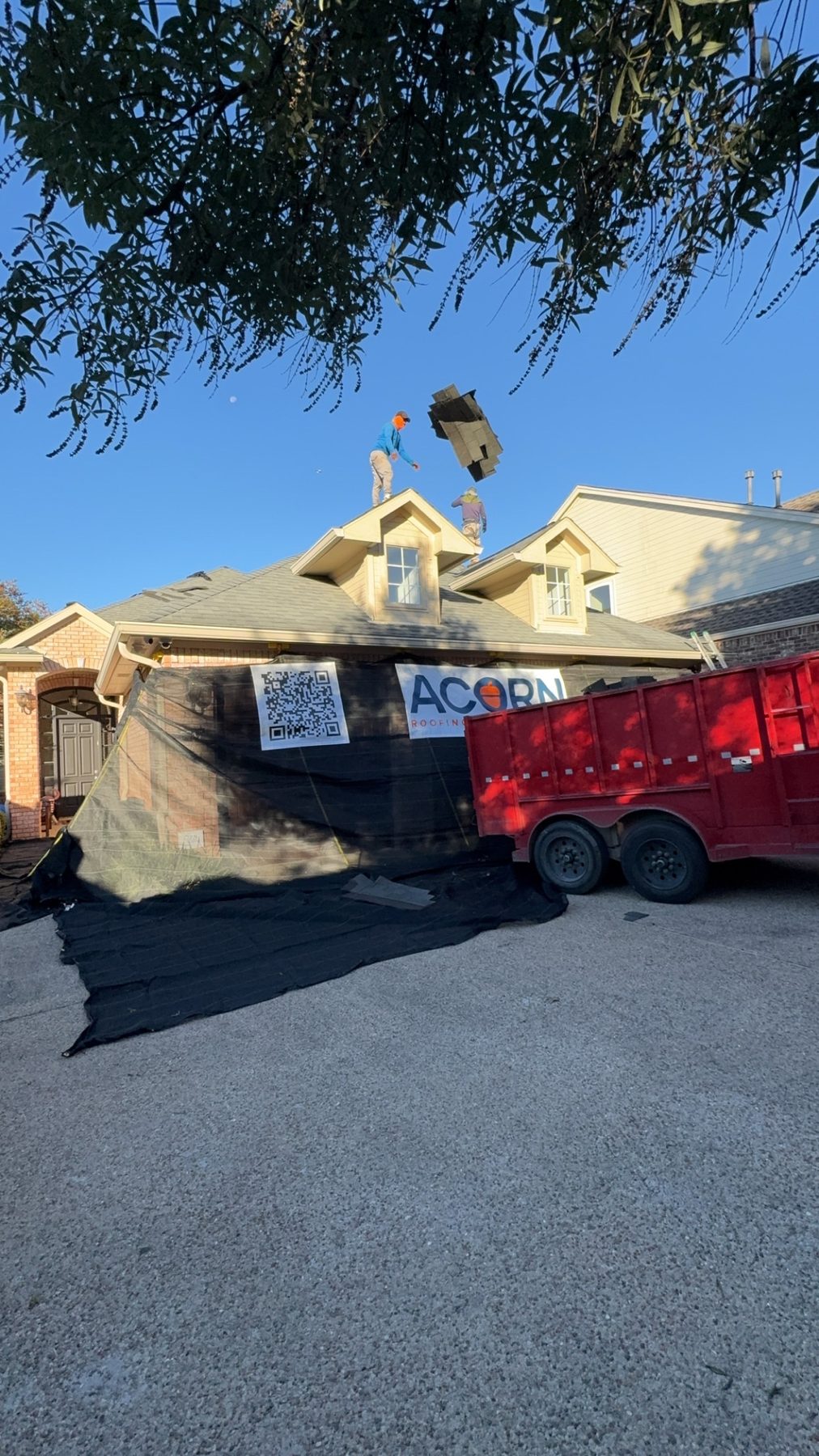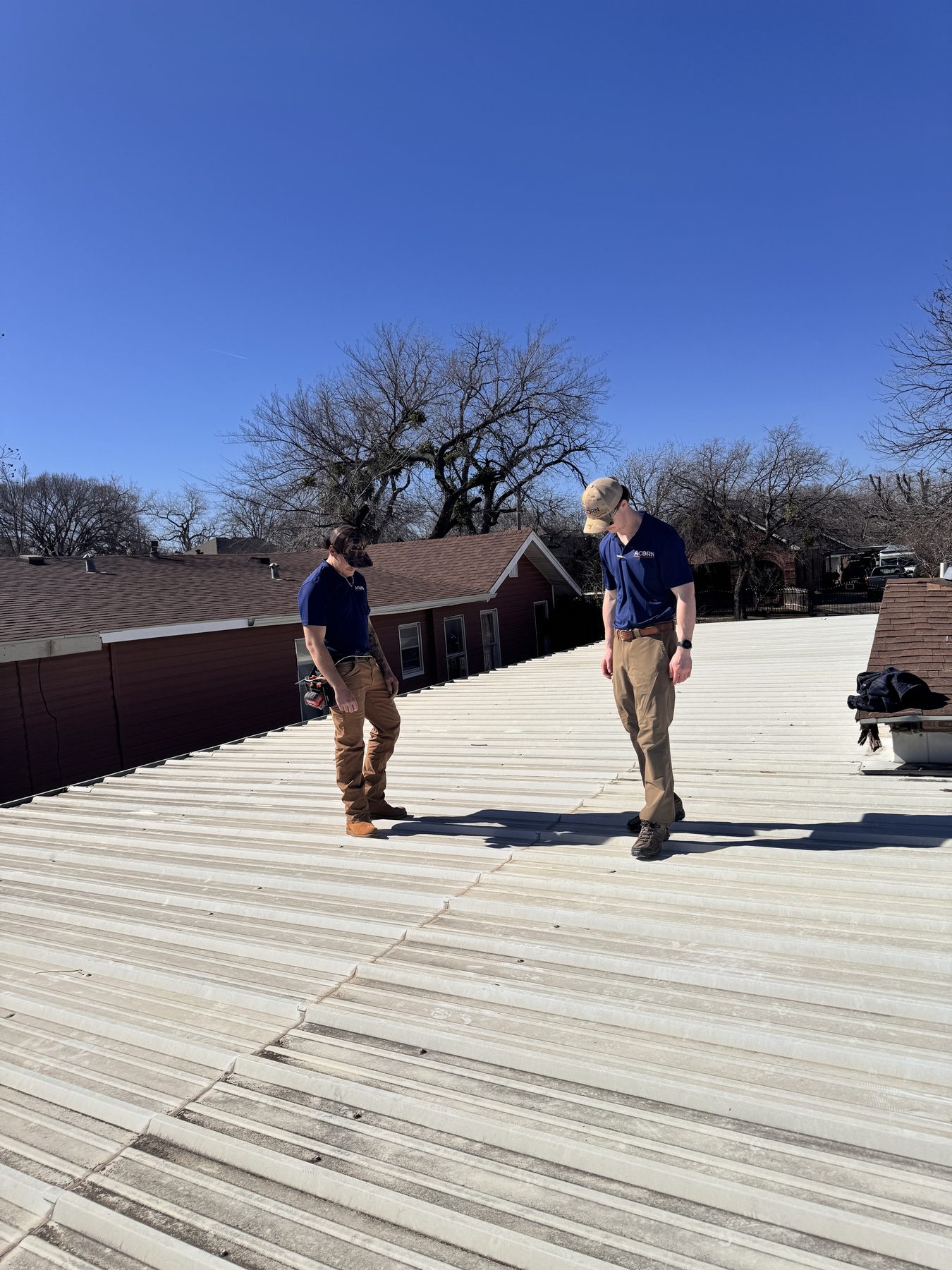
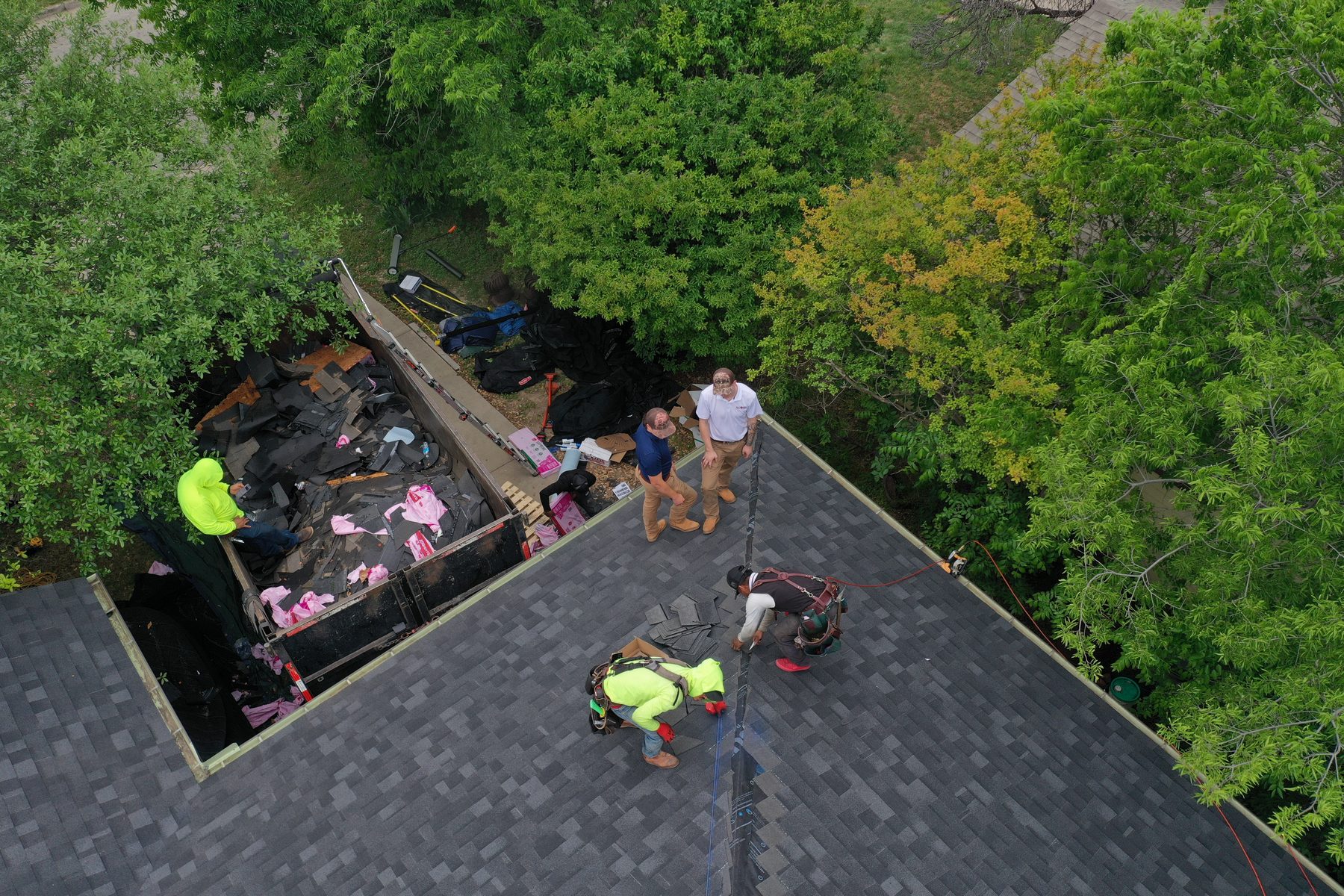
Storms reach Fort Worth first and they hit hardest here. Hail bruising across whole slopes, wind-lifted ridges, and gutters taking damage in the same event are the pattern we see in Tarrant County. If a system has crossed you, get it documented before the claim window closes rather than after the leak arrives.
Storm Damage Repair Across Fort Worth
Storms reach Tarrant County before they reach Dallas, and they often arrive with more energy still in them. That shows up in the roofs: hail bruising across whole slopes, wind-lifted ridges, and gutters taking damage at the same time. Fort Worth also has a wide spread of housing ages, from historic neighbourhoods to newer suburban build-out, so there is no single roof specification that fits the city.
Get It Documented Before It Gets Worse
Hail damage is not always visible from the ground and it does not always leak straight away. Bruised shingles lose granules, then the mat underneath degrades, and the leak arrives months later once the claim window has closed. An inspection after a storm costs nothing and settles the question.
How We Handle The Claim
We photograph the whole roof, mark the hits per slope, and put it in the format an adjuster needs. We meet the adjuster at the property so the damage gets looked at together rather than argued over afterwards. You should not have to fight your own claim on a roof you cannot see.
Emergency Tarping
If the roof is open we get a tarp on it, usually the same day. That stops the interior damage compounding while the claim is assessed, and tarping is a documented emergency mitigation cost rather than something you absorb.
What Insurance Does And Does Not Cover
Sudden storm damage is normally covered. Wear, age and deferred maintenance are not, which is why an accurate inspection matters, and why we will tell you when we do not think you have a claim.