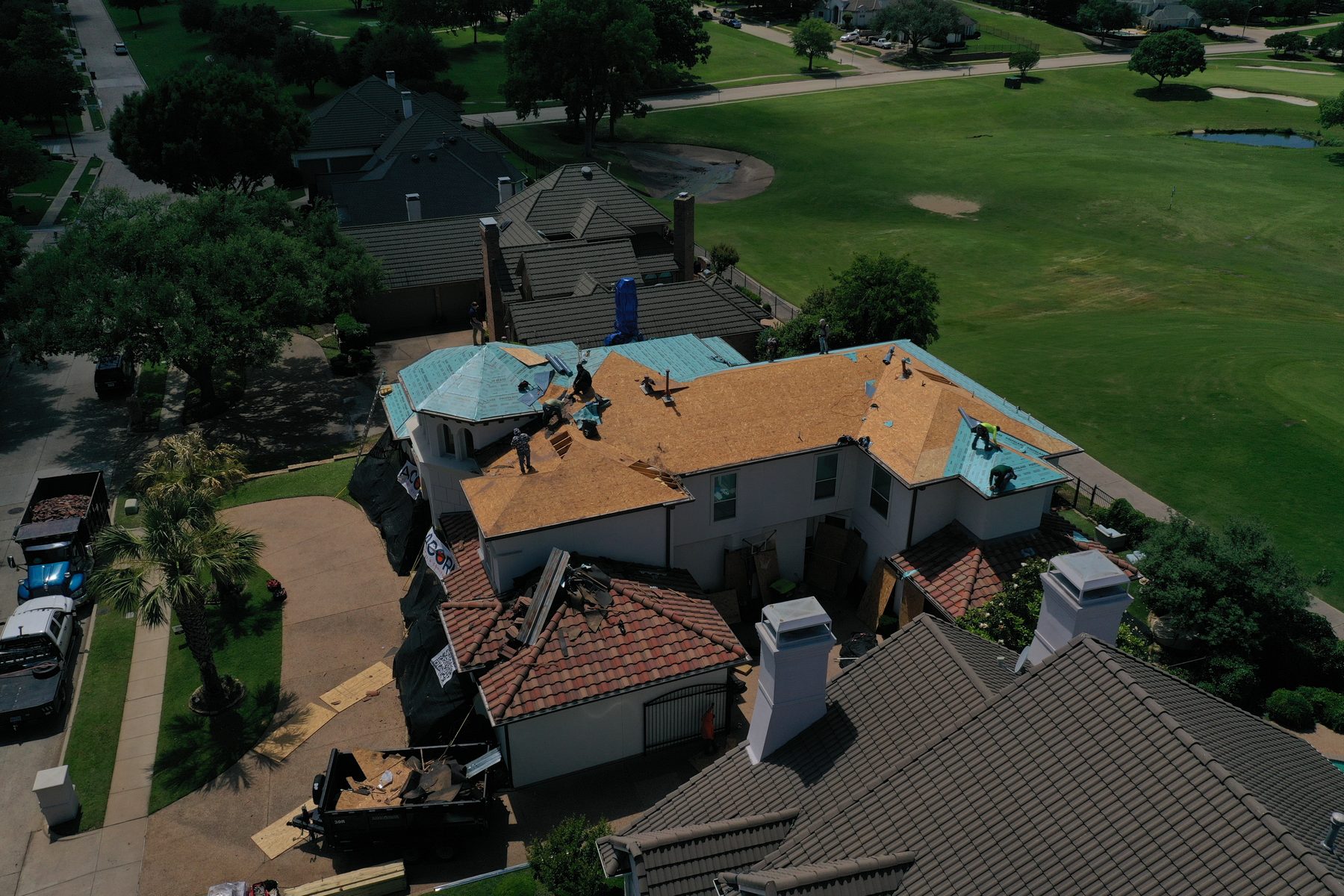
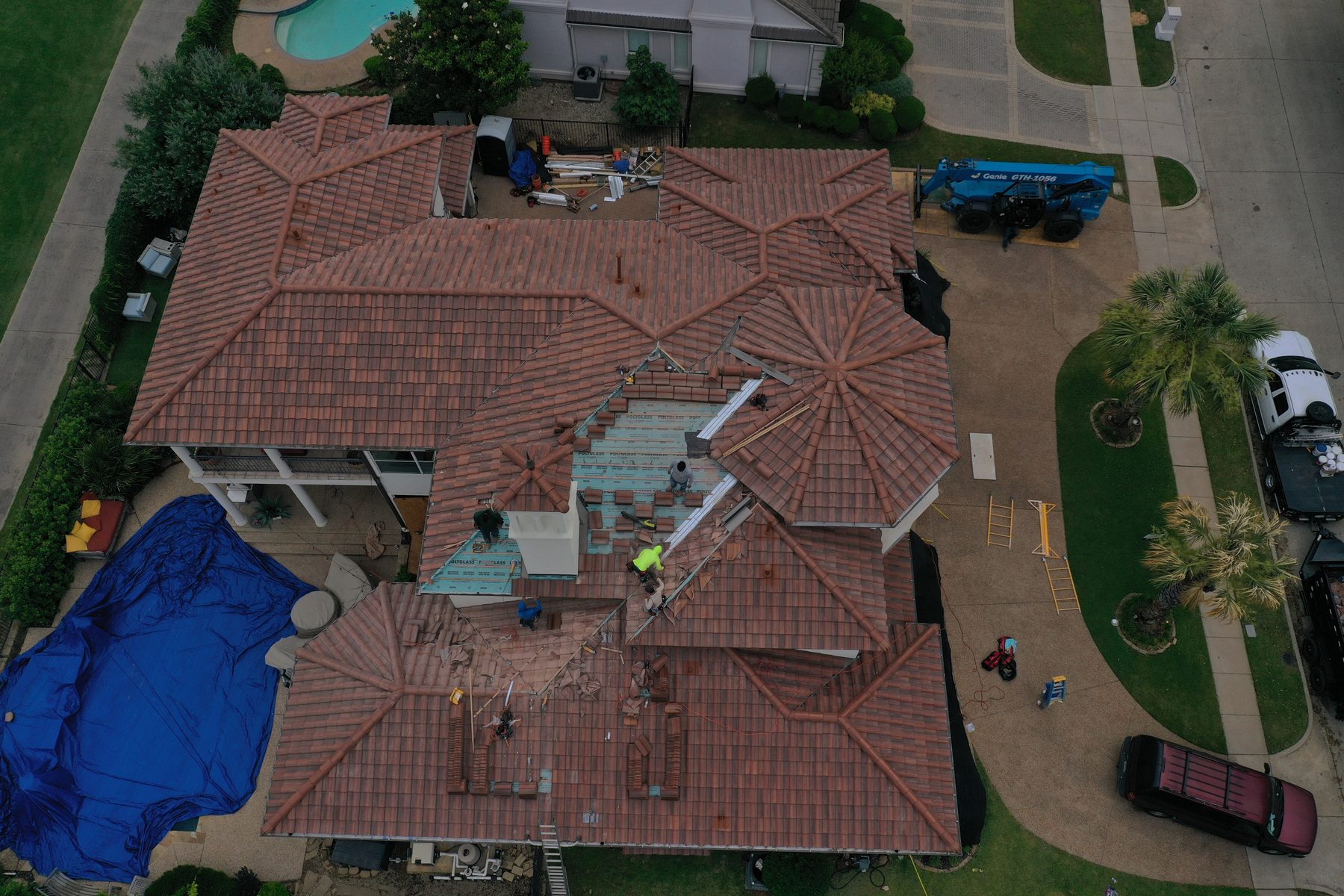
Tile is common enough on Dallas homes that we see the same failure repeatedly: intact tile, finished underlayment. The tile sheds the water but the underlayment keeps the house dry, and it ages far faster. Lifting and relaying the existing tile over new underlayment is often the right job, at a fraction of new tile.
Tile Roofing Across Dallas
Dallas housing stock runs from pre-war bungalows in the older neighbourhoods to new-build in the far north, and the roof that suits one rarely suits the other. What they share is the weather: long stretches of punishing summer heat that bakes shingles from above while a poorly ventilated attic cooks them from below, then hail season. That combination is why Dallas roofs often reach the end of their service life earlier than the manufacturer's rating suggests.
Tile Is A System, Not A Surface
The tile sheds most of the water, but the underlayment beneath it is what actually keeps the house dry. Underlayment ages faster than tile does, which is why a tile roof can look sound from the street and still be leaking.
Relay Versus Replace
Frequently the right job is lifting and stacking the existing tile, replacing the underlayment and flashing, and relaying the same tile. It costs considerably less than new tile and resets the part that actually failed.
Broken Tiles And Foot Traffic
Most cracked tile we find was broken by someone walking the roof, usually a trade doing something else. Tile has to be walked in specific places and a lot of people do not know where those are.
Weight
Concrete and clay tile are heavy. On a re-roof from a lighter material we check the structure carries the load before quoting.